In Southern California, rain is rare enough that we forget how to drive in it — and that’s exactly what makes it dangerous.
The first big storm after a dry stretch is often the worst. Oil, dirt, and debris build up on the roads for months. When rain finally hits, it lifts all of that grime to the surface, creating slick conditions that feel more like driving on ice than pavement.
Whether you’re commuting down the freeway or running errands around town, here are practical safety tips to help you stay in control — and keep your vehicle protected — during and after a rainstorm.

Unlike areas that deal with frequent rain, Southern California drivers don’t get much practice. Combine that with:
Worn tires from hot pavement
Sun-dried rubber seals and wipers
Fast-moving freeway traffic
Poor drainage in some areas
…and you’ve got a recipe for spin-outs, fender benders, and stalled vehicles.
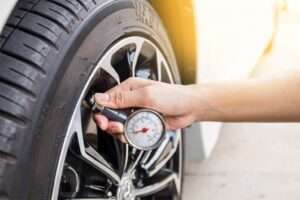
Your tires are your first line of defense against hydroplaning.
Make sure tread depth is healthy (at least 4/32″ is ideal for wet roads).
Check tire pressure — cooler rain temperatures can lower PSI.
If your tires are older or wearing unevenly, rain will expose it fast.
Bald or low-tread tires are one of the biggest causes of sliding in the rain.
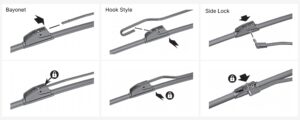
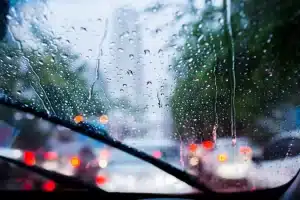
If your wipers streak or chatter, replace them. Sun exposure dries out rubber quickly here, and the first rainstorm often reveals how bad they really are.
You should be able to see clearly at freeway speeds. If not, it’s time for new blades.
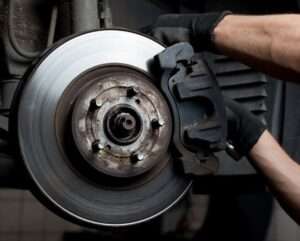
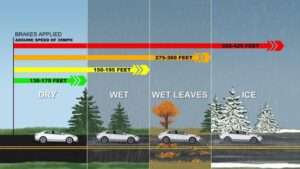
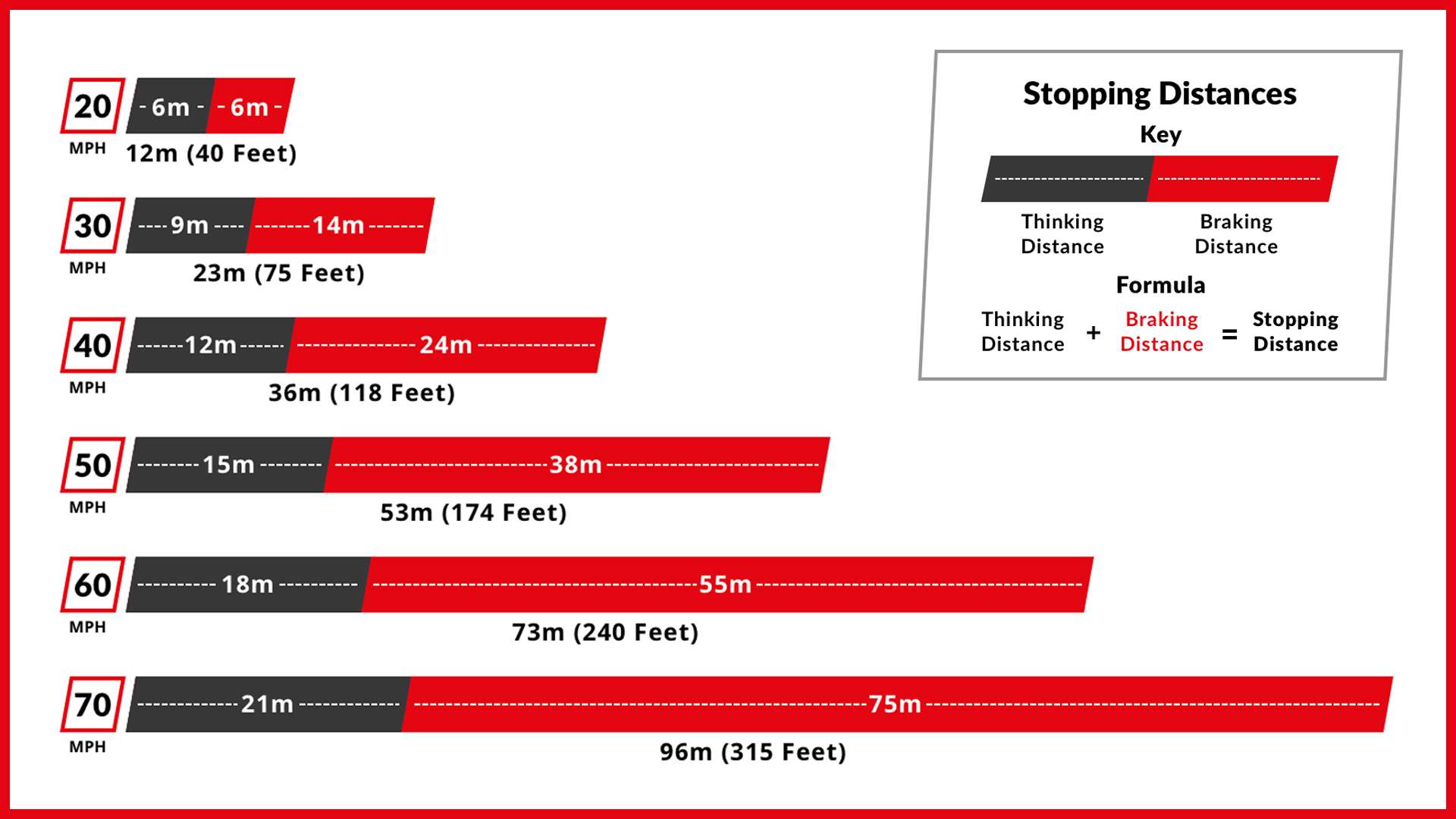
Wet roads increase stopping distance. If your brakes already feel soft, squeal, or pulse, rain will make it worse.
Brake inspections are especially important before winter storm season.
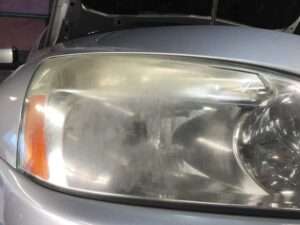
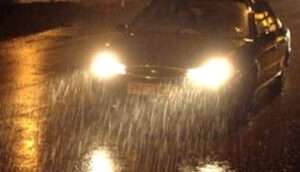
Rain reduces visibility for everyone — not just you. Make sure:
Headlights work properly
Brake lights are bright
Turn signals are functioning
Even during the day, use your headlights in the rain so other drivers can see you.
Learn how keeping your distance can keep you safe behind the wheel. Maintaining at least a three-second following distance to help avoid dangerous situations.
The speed limit assumes ideal conditions. In the rain, reduce speed by 5–15 mph depending on how heavy it is.
Freeways are especially dangerous during the first 30–60 minutes of rainfall.
Give yourself at least double the normal following distance. Wet pavement dramatically increases stopping time.
If traffic suddenly brakes, that extra space can prevent a collision.
Sharp steering, hard braking, and quick acceleration can all cause loss of traction.
Drive smoothly. Think gentle inputs.
If your steering suddenly feels light and the engine revs without acceleration, you may be hydroplaning.
If this happens:
Ease off the gas.
Keep the steering wheel straight.
Do NOT slam the brakes.
Let the tires regain traction naturally.
Oil buildup is worst at stoplights and intersections where cars sit and leak fluids.
Brake earlier than usual and approach slowly.
Rain weakens pavement. New potholes often form after storms.
If you hit one and notice:
Steering pulling to one side
Vibrations at speed
Tire pressure dropping
Get your suspension and alignment checked.
After heavy rain, inspect:
Floor mats for dampness
Trunk area for leaks
Fogging inside headlights
Small leaks can turn into electrical problems if ignored.
Rainwater mixes with oil and grime on the roads. A quick rinse underneath your vehicle helps prevent corrosion — especially if you drove through standing water.
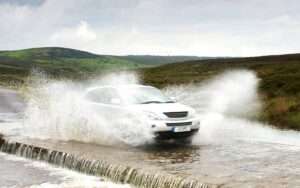
Flash flooding can happen quickly in low-lying areas, canyon roads, and near burn scar zones.
Never drive through standing water if you don’t know how deep it is. Just 6 inches can cause loss of control. Around 12 inches can stall many vehicles.
If you see water flowing across a road — turn around.