If you’ve looked under the hood of a newer vehicle lately, you already know — cars aren’t what they used to be. They’re smarter, more connected, and packed with technology that would’ve felt futuristic just ten years ago.
But here’s the truth most drivers overlook: the more advanced vehicles become, the more important routine maintenance actually is.
In 2026, skipping basic service doesn’t just risk a breakdown — it can affect performance systems, safety features, and even long-term vehicle value.
Let’s talk about why staying on top of maintenance matters more than ever.
Modern foreign cars — whether it’s a European performance sedan or a luxury SUV — rely on layers of technology working together:
Turbocharged engines with tighter tolerances
Direct fuel injection systems
Advanced cooling systems
Sophisticated transmissions
Driver assistance systems tied into sensors and cameras
These systems are incredibly efficient. But they’re also less forgiving when neglected.
An oil change today isn’t just about lubricating moving parts. It protects turbochargers, keeps timing systems clean, and prevents sludge buildup that can damage expensive components.
Routine service is no longer optional — it’s preventative protection for precision engineering.
Over the past few years, parts availability and pricing have fluctuated. Even in 2026, certain imported components can take longer to source and cost more than they once did.
That makes preventive maintenance even more valuable.
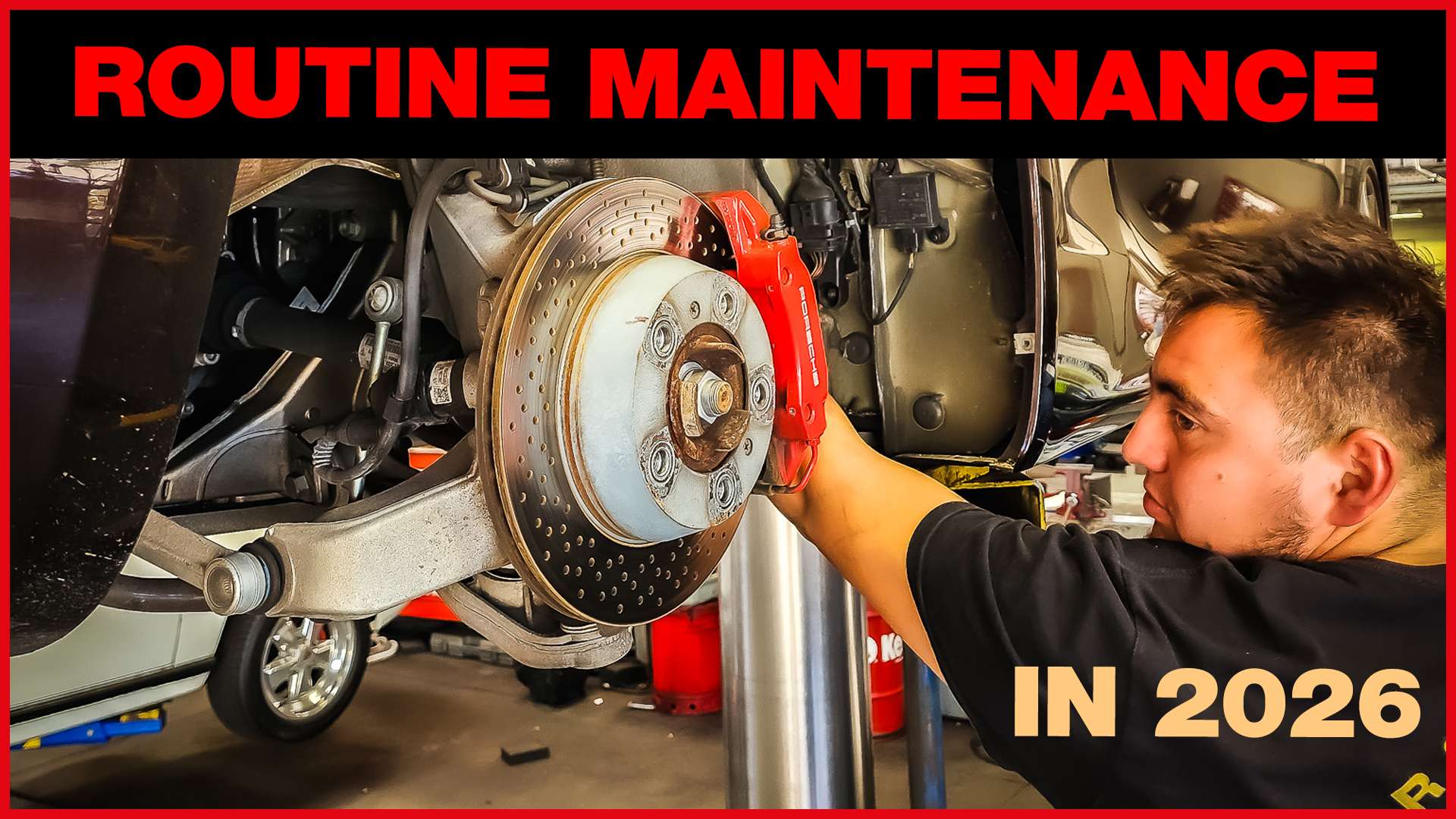
Replacing worn brake pads on time is far less expensive than replacing rotors and calipers later.
Catching a small coolant leak early can prevent overheating and major engine damage.
Replacing a battery before it fails protects sensitive electronics.
Staying ahead of problems saves money — period.
Many vehicles on the road now are equipped with:
Adaptive cruise control
Lane keeping assist
Blind-spot monitoring
Collision avoidance systems
What many drivers don’t realize is that these systems rely on sensors, cameras, and precise calibration.
After a minor fender bender, windshield replacement, or even certain suspension repairs, recalibration may be required. Skipping inspections could mean these systems aren’t operating correctly when you need them most.
Routine inspections help ensure your safety systems are functioning exactly as designed.
Even if you’re not driving a fully electric vehicle, many modern foreign cars now use:
Mild-hybrid systems
Plug-in hybrid setups
Turbocharged four-cylinder engines
These drivetrains are efficient and powerful — but they depend heavily on proper fluid quality and scheduled service intervals.
Using the correct oil grade.
Maintaining cooling systems.
Servicing transmission fluid at the right time.
These aren’t small details — they’re critical to long-term reliability.
With new vehicle prices still elevated compared to pre-2020 levels, many drivers are choosing to keep their current car longer.
And that’s smart — if the vehicle is properly maintained.
A well-serviced car can easily run well past 150,000 miles. We see it every day. But neglected maintenance almost always shortens a vehicle’s lifespan.
Routine service protects:
Engine longevity
Transmission health
Fuel efficiency
Resale value
It’s not just maintenance — it’s preserving your investment.
Here’s something we’ve learned after years in this industry: major breakdowns usually don’t happen overnight.
They start small.
A slight vibration.
A faint coolant smell.
A minor oil seep.
A warning light that “comes and goes.”
Routine maintenance appointments give us the opportunity to catch those small issues early — before they turn into something serious.
For most foreign vehicles, staying on track includes:
Oil service every 5,000–7,500 miles (depending on vehicle and driving habits)
Annual brake inspections
Cooling system checks before summer
Battery testing before winter
Diagnostic scans when any warning light appears
Even if your car feels “fine,” preventive care keeps it that way.